
Kevin
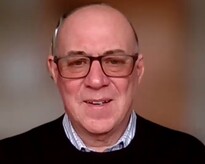
Kevin’s father was diagnosed with early stages of Alzheimer’s Disease. He lives around the corner from his father in the same town and obtained Lasting Power of Attorney for property and financial affairs and health and welfare. At the time of interview, Kevin’s father was living on his own and did not require paid care workers to support him.
Kevin, aged 64, is retired and caring for his father. He lives in the same town as his father and is the primary carer. Kevin is White British.
More about me...
Kevin has a close relationship with his father and visits him regularly. Kevin’s father lives independently and continues to keep up his own care and household on his own. Kevin manages his father’s finances and medical appointments. Both Kevin and his father attend support groups for people living with dementia and their carers. Kevin became friends with other carers who are caring for their parents.
Kevin had difficulty finding information about local groups and support. He felt carers and people living with dementia would benefit more from having a central point of information. There are a number of local support groups available in the region where Kevin and his father live. Kevin’s father is able to choose which groups are suitable and Kevin supports his father to attend the groups.
Kevin explains the change in the local clinic’s health checks for his father.
Kevin explains the change in the local clinic’s health checks for his father.
On the point of the GP, on a more positive note: I had to have a telephone appointment with the GP in relation to Dad’s medication, not his… not his Alzheimer’s medication, something else, and I just asked that question, I said, “So, we’ve been referred back to the GP, is there anything place?” and was kind of half knowing the answer, and she said, “Well actually, we’re… we’re just in the process of looking at inviting people with the condition to come in for an annual review,” and we had that about three or four weeks ago, and I have to say it was very, very thorough, and it was a… I mean a… I don’t know if you know but in the NHS you… a GP appointment is probably a maximum of 10 minutes, you know, that they allocate 10 minutes for it, but this appointment was 30 minutes, and the guy that we saw, we had… we hadn’t met him before but he was very respectful, very friendly, he said… much like yourself, he said, “I’ve got a list of questions here,” but he said, “but what I want to do is have a conversation with you,” and he said, “I’ll fill in the questions… fill in the answers later,” so it immediately put Dad at his ease and he asked how he was feeling, how he was coping at home, what he was doing, pretty much asked the questions that I’ve given you some answers to today, but it was reassuring to know that it… that they had that in place, and that we’ll have a call next year to do the same. A couple of things were identified during that meeting, unrelated to the Alzheimer’s, but, you know, Dad being old, that there was the occasional ailment that needs looking at, so he’s been for a chest X-ray as a result; we wouldn’t have had that if we hadn’t have had that meeting.
OK, and that sounded like it was new, was it?
Yeah, yeah, they said, that the way he put it, he said, “Particularly with Covid, and we sat back and realised that lots of older people were passing away, and they were passing away as a result of things that they were getting, illnesses that they were getting,” I’m not articulating this very well, so bear with me, a… “but we as a practice felt that we would do better by seeing them in advance and identifying issues and being able to deal with them rather than when it’s too late,” so I don’t know if they’re applying it to all people over a certain age, or all people over a certain age with dementia, but it certainly felt like it was as a result of the dementia.