
Jenny
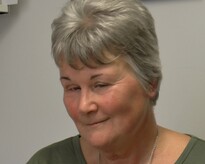
Jenny is a carer for her mother, who has late-onset dementia. Jenny helps her mother with day-to-day appointments and has power of attorney, which she shares with one of her brothers.
Jenny’s mother has late-onset dementia.
More about me...
Jenny noticed her mother began to forget things after being isolated by herself during the Covid-19 lockdowns. Her mother showed signs of forgetting everyday things, and her mother began writing in her diary to help her remember details. As a result of these changes to her mother’s memory, Jenny took her mother to the doctors who diagnosed her with late-onset dementia.
Jenny shares her caring responsibilities and power of attorney with one of her brothers. While her brother manages her mother’s finances, Jenny helps her mother with day-to-day appointments and sorting things out for her. This includes arranging for carers to visit her mother, who requires support remembering to take her medication and help with meals.
Jenny intends to continue to arrange and provide care for her mother at home as she knows she does not want to go into a care home. Therefore, Jenny’s priority is to help facilitate her mother’s care at home as her condition progresses.
Jenny tries to find the right balance with care needs and how to approach it.
Jenny tries to find the right balance with care needs and how to approach it.
Yeah, I kind of think that’s important because, as I say, she has good days and bad days, but I can’t just assume that because yesterday she was asking me every five minutes about something, I can’t just take over and say, ‘we’re doing this because I’ve said so,’ you know, she has a… and maybe it will come to that, but again, it’s doing it sort of with kindness and it’s getting the balance between wants and needs, and you need to try and balance that. You know, I can see what she might need, but is that what she wants? And when the scales tip the other way and it’s a question of, ‘I know you don’t want to go into a home, but we just can’t do anything else,’ that again I think will bring its own guilt, you know, and you’ve got to find a way of dealing with that, but I think talking about it to other people and, you know, getting as much help as you can. I mean again it might be… everybody’s different, it might be financial help, it might be emotional help, practical help, everybody’s situation’s different, and you’ll only know what your situation is when you’re in it. I don’t… I don’t think you can plan for it really because you just don’t know when it’s going to happen, or if it’s going to happen.
Jenny describes decisions around choosing to care for her mother.
Jenny describes decisions around choosing to care for her mother.
Because I think, you know, there is a lot of that, whether it… whether it be somebody who’s caring for a partner, or a parent, you know, your parents have cared for you and you kind of feel like now it’s your turn to do it, but equally, you know, don’t… nobody should feel that they have to do everything. I think each… each situation’s so different and it will depend on your own circumstances, how much you… you perhaps want to do, but unfortunately I think now the way, you know, things are going, it… it’s going to become more and more common, isn’t it? So…